 By
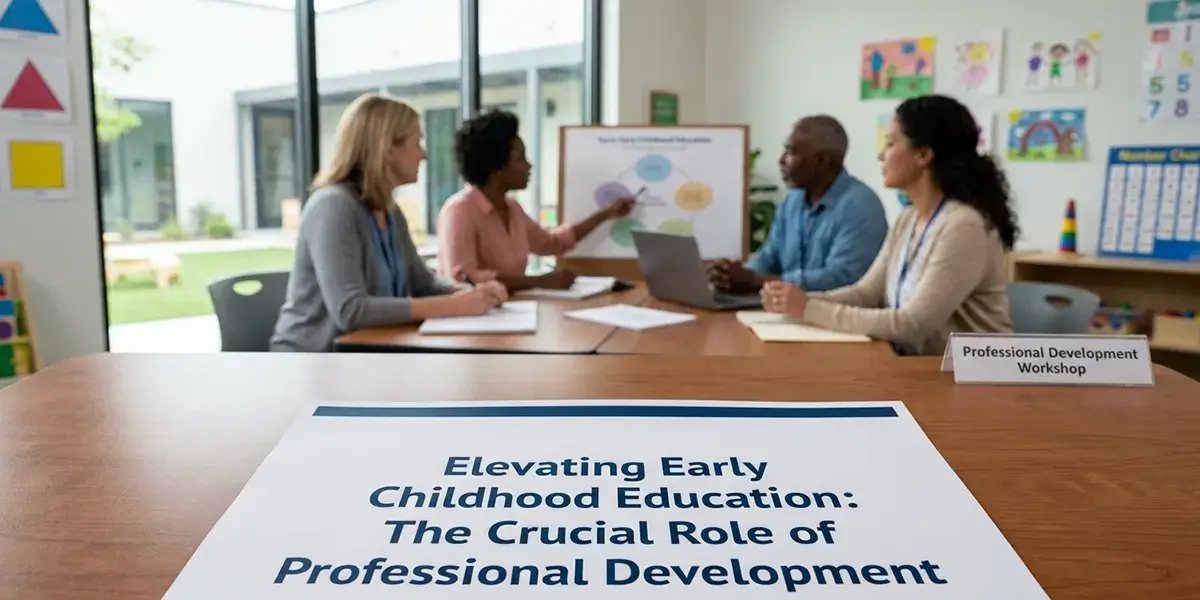
By The first few years of childhood are crucial periods of development, learning and emotional development. Children develop the building blocks of their future skills, confidence, communication and social interactions during this time. That is why early childhood education is an important factor in the formation of young minds and in preparing children for life. But good teaching of young children is more than just “teaching skills. It demands ongoing professional development and professional growth of educators, as well as new knowledge and learning.
Professional learning has emerged as a major contributor to enhancing children’s early learning outcomes. The teaching methods, technology and research in the field of child development continue to change and refine, and teachers must also continue to do the same. A well-trained teacher is better equipped to understand the needs of children, develop engaging learning experiences, and facilitate children’s healthy development.
This article will discuss why early childhood educators should engage in professional development, its positive outcomes, career pathways and how different educational pathways prepare teachers for success in their profession.
What Is Early Childhood Education?
Many people wonder about what is early childhood education and its significance. Early childhood education is the education and care given to children in their early years, typically from birth to 8 years. It is centred on the physical, emotional, social, language and cognitive development of the child.
Unlike traditional education, which mainly focuses on academic learning, early childhood education and teaching focus on the complete development of a child. Children learn about their surroundings through play, creative activities, stories, communication and interactive methods that are used by teachers.
A competent early childhood education teacher provides children with a safe and positive space in which they can engage in exploration, question and learn new skills. These teachers engage in the same sort of mentorship that a guide provides for children, helping them to gain confidence and curiosity.
The concept that children learn best by doing is the foundation of modern early childhood education. Creative, problem-solving, and independent approaches are used by professional educators to work with children.
The Importance Of Professional Development For Early Childhood Educators
The field of education is constantly changing. The study of child psychology, learning styles, classroom management, and technology is constantly changing and impacting teaching methods. Therefore, the professional development of early childhood educators is necessary.
Professional development gives teachers the opportunity to learn new strategies, to improve their skills and to become familiar with the latest developments in education. It assists teachers in appreciating the way children learn and what they can do to offer better experiences for children to learn from.
Effective professional development is designed to support teachers:
- Evaluate, refine and enhance classroom management skills.
- Recognise children’s emotional and developmental requirements
- Use modern teaching techniques
- Provide inclusive learning spaces and settings.
- Provide assistance to children who have varying abilities
- Develop more positive connections with families
Today’s children are raised in a rapidly changing world. It is imperative that educators are ready to help them with approaches that are relevant to the current needs of learning.
Enhancing Teaching Skills Over Time
Patience, creativity and an understanding of child behaviour are important in teaching young children. Teacher professional development provides teachers opportunities to build these attributes.
For instance, an advanced early childhood education certificate can help a teacher gain knowledge of child development theories, communication strategies, and classroom activities.
The continuous learning process also enables teachers to reflect on their teaching. Reflection will enable teachers to identify what they need to do better and how they can support their learners better.
Advantages Of Early Childhood Education
Children, families, and society benefit from early childhood education in many ways. Good early learning experiences provide a good scaffolding for future school and personal success.
Here are some of the advantages to consider:
Improved Cognitive Development
Young children have a natural curiosity and desire to learn. Early education allows children to experiment, to problem solve and to think.
Using activities like puzzles, storytelling, games, etc., teachers reinforce children’s memory, attention and reasoning skills.
Enhanced Social And Emotional Development
Early education helps children to communicate, cooperate and express their feelings. They learn valuable social skills from their teacher and peers.
Professional educators know how to nurture children’s emotions and know how to make children feel valued in the classroom.
Stronger Communication Skills
Language is a key component of early learning. Children’s vocabulary is extended, their listening skills are developed, and they learn to communicate well.
A trained educator is aware of how to promote conversation and engage in activities that will foster language development.
Preparation For Future Learning
Quality early education enables children to become school-ready with good learning practices. They have gained increased confidence, independence and are ready for new challenges.
This is why it is important to invest in skilled educators as well as in the children’s learning opportunities.
The Role Of Early Childhood Education Courses In Career Growth
Early childhood education courses offer valuable knowledge and experience for those who wish to pursue careers with young children. These courses provide future educators with an understanding of child development, teaching strategies, safety, and classroom strategies.
Students who complete these programmes gain the knowledge necessary to set up engaging learning environments and communicate effectively with children from a variety of backgrounds.
Various learning opportunities are offered, such as:
- Short-term training programmes
- Professional certificates
- Diploma courses
- Undergraduate degrees
- Online learning programmes
The course selected should be related to career objectives, educational history, and work interests.
Exploring Early Childhood Education Courses In Dubai
There is a growing demand for qualified teachers globally, particularly in areas dedicated to boosting educational standards. The city of Dubai is known for its variety of learning opportunities and thriving education industry, which is why many students and professionals are interested in enrolling in early childhood education courses in Dubai.
These courses build up learners’ practical skills for working in nurseries, childcare centres and early learning institutions. They usually discuss child psychology, planning curriculum, classroom activities, and child safety.
Additionally, Dubai’s multicultural society provides teachers with the opportunity to gain insights into various cultures and learning styles, making them well-versed in the diverse needs of students in today’s classrooms.
Opportunities Through Early Childhood Education Courses In Sharjah
Just like Dubai, early childhood education courses in Sharjah also offer ways to pursue careers in early learning. The emphasis of these programmes is on training teachers to serve children’s development in effective teaching practices.
If a student is interested in pursuing a career in childcare, they can learn about:
- Childhood development stages
- Learning theories
- Creative teaching methods
- Classroom organisation
- Child protection practices
Graduates have the opportunities to work in various educational environments and enhance their careers with proper training.
Choosing The Right Early Childhood Education Degree
If you are looking for more advanced career options, an early childhood education degree may offer more in-depth knowledge and preparation. Typically, degree programmes involve both theoretical and practical components.
A Bachelor of Early Childhood Education will help you become a qualified teacher, curriculum planner and education specialist. It includes key topics like child development, educational psychology, teaching approaches and assessment techniques.
Alternatively, a Bachelor of Science in early childhood education is a blend of education and research-based methods. This kind of programme assists students to gain knowledge about children’s learning cycles and learning and development.
A bachelor’s degree in early childhood education may also lead to leadership positions in educational organisations, schools and child care facilities. It is one of the top degrees in the UAE that is worth pursuing.
Understanding Early Childhood Education Requirements
It’s essential to grasp early childhood education requirements before beginning a career in this field. They may differ from country to country, from institution to institution and from job to job.
Typically, future teachers should be prepared:
- A recognised certificate or degree
- Practical training experience
- Understanding of children’s stages of development
- Communication skills
- Obtain necessary background checks or safety training, as required.
Specialist qualifications may be required with some roles, particularly with children that have further learning needs.
The Growing Importance Of Early Childhood Special Education
All children learn in their own unique ways, and some children need extra support. Early childhood special education works with children who have developmental delays, disabilities, or children with specific learning difficulties.
Specialist training is provided for professionals in this field to develop a conducive learning environment. They closely liaise with families and other professionals to support children’s wellbeing and development.
Professional development can help teachers to grasp inclusive education practices and adjust their teaching methods for all learners.
Stop Worrying About Your Early Childhood Education Degree!
Assignment Help Dubai is enough to help you through your certification. They have a team of professionals who will never disappoints you, and help you through your academic journey.

How To Get A Certificate In Early Childhood Education
People interested in becoming teachers frequently ask, “how to get a certificate in early childhood education?”
This typically entails the completion of an approved training course that includes important topics related to child development, teaching techniques, health and safety, and classroom practices.
An early childhood education certificate is a good first step for those wishing to work with young children. It offers the basic information and techniques necessary to assist children in their early years.
Some of the subjects covered in a certificate course might be:
- Child growth and development
- Early learning activities
- Communication techniques
- Behaviour management
- Classroom planning
- Safety and well-being of the child.
A certificate is often the first step in obtaining additional qualifications or credentials, such as a diploma or a degree, for many teachers. It can also aid professionals to grow in their confidence and career prospects.
Flexible study options allow many learners to now undertake an early childhood education online programme and balance work and personal responsibilities.
The Growth Of Early Childhood Education Online Learning
The world of education has changed with the advent of technology. For those who want to become teachers, there are early childhood education online programmes they can attend, which enable them to learn from any part of the world.
Online learning offers flexibility for students who can’t attend classes, parents and working professionals. These types of programmes can feature video lessons, online conversations, digital resources, and assignments.
Studying online offers several advantages, such as:
- Flexible schedules
- Coaches who are specialists in their field (Student learning from various locations)
- Opportunity to create a dedicated study schedule
- A variety of course choices
A few students also look for early childhood education online courses free to take the field beforehand. Free courses can also provide students with an introduction to the concepts and give them an idea of whether or not this career is for them.
Professional certification schemes, however, typically offer more formal training, evaluations, and credentials.
Preparing For A Career As An Early Childhood Educator
Teaching is a complicated profession that cannot be mastered by merely finishing a course. It takes hard work, imagination, perseverance, and a passion for helping children.
There are a few questions that many students who are applying for careers in this field will likely be asked in their interview for a job. These early childhood education interview questions may have an emphasis on methods of teaching, classroom management, child behaviour, and communication skills.
Some typical interview questions might be:
- What do you do when you see challenging behaviour?
- How can you make your classroom an inclusive classroom?
- What do you do to nurture children’s emotional growth?
- What tasks do you do that stimulate creativity and learning?
- What are the ways in which you communicate with parents?
Future teachers show their knowledge and passion for working with children by preparing for these questions.
Link Between Education and Professional Development
Learning and development is never finished once a qualification has been achieved. The highest quality teachers are lifelong learners.
There is a growing body of research in the area of early learning on the following topics:
- Brain development
- Learning styles
- Emotional wellbeing
- Digital learning tools
- Inclusive teaching practices
Teachers stay current and become better teachers through regular training.
Professional development is good for teachers, children and families. Developing the skills of educators translates into better learning experiences and support for children.
That is why the UAE is spending millions to upgrade its education system. They have even introduced new school rating systems.
Why Investing In Educators Improves Early Childhood Education Development
The provision of quality education is very much reliant on who is providing it.
No amount of curriculum and learning materials can replace a good teacher.
Children’s confidence, curiosity and attitude to learning are impacted by teachers. This is one of the reasons why investing in educators is one of the best options to enhance early learning systems.
Professional development plays a role in enhancing early childhood education development when it helps teachers to:
- Know how to meet the needs of the individual learner
- Use effective teaching strategies
- Encourage creativity
- Promote positive behaviour
- Ensure safe and supportive settings
Ongoing professional development helps teachers support children in key transitional periods.
The Future Of Early Childhood Education And Teaching
The future of early childhood education and teaching is more innovative and child-centred. The need for well-trained early childhood workers keeps increasing as society appreciates the significance of early learning.
Future teachers will have to use the traditional and modern approaches to teaching. Classrooms will remain influenced by technology, research and creative learning approaches.
But, the most significant attributes of an effective teacher won’t change:
- Compassion
- Patience
- Adaptability
- Communication
- Commitment to children’s growth
Professional learning means teachers are prepared to address the evolving needs of young children.
Strategies for creating A Lifelong Impact Through Early Learning
Early education doesn’t end when the child leaves the classroom. Children’s early skills have an impact on their learning, relationships, confidence and opportunities.
Children can be inspired to be curious learners and confident individuals by a caring and knowledgeable teacher.
This is why professional development isn’t just about making teachers better at what they do. This is about building a better future for children through access to good education by qualified teachers.
Conclusion
Early childhood education is one of the most critical components of a child’s development. It influences how children learn, communicate, relate and understand the world around them. The quality of early learning, however, is very much influenced by the knowledge and skills of the educators.
Early Childhood professional development keeps teachers well prepared, confident and capable to meet children’s needs. Educators can provide positive learning environments where all children grow through constant learning, training and advanced qualifications.
There are many career pathways and improved education outcomes that follow the pursuit of professional development, be it via an early childhood education certificate, degree programme or specific training.
However, with the increasing significance of early learning, it will continue to be important to invest in skilled educators. Helping teachers helps children, families and education.
Frequently Asked Questions
Q: What is meant by early childhood education?
A: Early childhood education is teaching and learning activities aimed at children, typically birth to 8 years. It emphasizes the cognitive, emotional, social and physical development of children.
Q: Why is professional development important for early childhood educators?
A: Professional development supports and enhances teacher effectiveness, aids in acquiring new techniques, knowledge about child development, and new learning techniques for children.
Q: What are the benefits of child care?
A: Here are a few of the benefits of early childhood education: Children become more confident, better able to solve problems, have better social development, and communicate more effectively.
Q: What skills, abilities and knowledge are required for an early childhood education teacher?
A: They may differ depending on location but many have a recognised certificate, diploma or degree in early childhood learning.
Q: How can I get a certificate in early childhood education?
A: A certificate can be obtained by taking an approved early childhood education programme in the areas of child development, teaching strategies and classroom practice.
Q: Is there an online option for early childhood education courses?
A: Yes, there are various institutes that offer early childhood education courses online and students can take the courses online at flexible time slots.
Q: Are free early childhood education online courses useful?
A: Free online courses can help learners understand basic concepts, but recognised qualifications usually require completing a structured paid programme.
Q: Is there any point in completing online free early childhood education courses?
A: While there are free online courses available to take to learn the basic concepts, recognised qualifications typically require structured paid courses to achieve.
Q: What are some options for employment once I have finished an early childhood education degree?
A: Graduates may be employed as early childhood teachers, child care workers, curriculum developers, or early childhood coordinators.
Q: What is the difference between early childhood education and special education?
A: Early childhood education is concerned with general learning and development; early childhood special education provides extra support for children with specific developmental needs.
Q: Does early childhood education course work exist in Dubai and Sharjah?
A: Of course, these courses are seeing a rise in popularity because there is a growing need for qualified child care workers and early learning specialists.
Q: What skills are required of an early childhood education teacher?
A: Important skills and knowledge include: patience, creativity, communication, problem-solving, empathy, and an understanding of children’s needs.
Q: Can I study a bachelor of early childhood education online?
A: There are some institutions that provide online or blended degree courses, which enable students to study online.
Q: Is early childhood education a great career option?
A: Absolutely, for those who have a passion for helping children grow and working with them, it can be a fulfilling career.
Q: In early childhood education courses, what are the topics covered?
A: Typically, courses consist of child psychology, curriculum planning, classroom management, learning activities and child safety.
Q: How does professional learning enhance teaching?
A: Professional learning provides educators with new information and practice that enable them to provide effective and supportive learning environments.
